Birthright Citizenship Affirmed, Immigrants Deliver $14.5T Surplus
Supreme Court upholds birthright citizenship as immigrants contribute $14.5 trillion surplus.
Visa & Immigration desk
NRI Herald • July 2, 2026
3 min read
Supreme Court upholds birthright citizenship as immigrants contribute $14.5 trillion surplus.
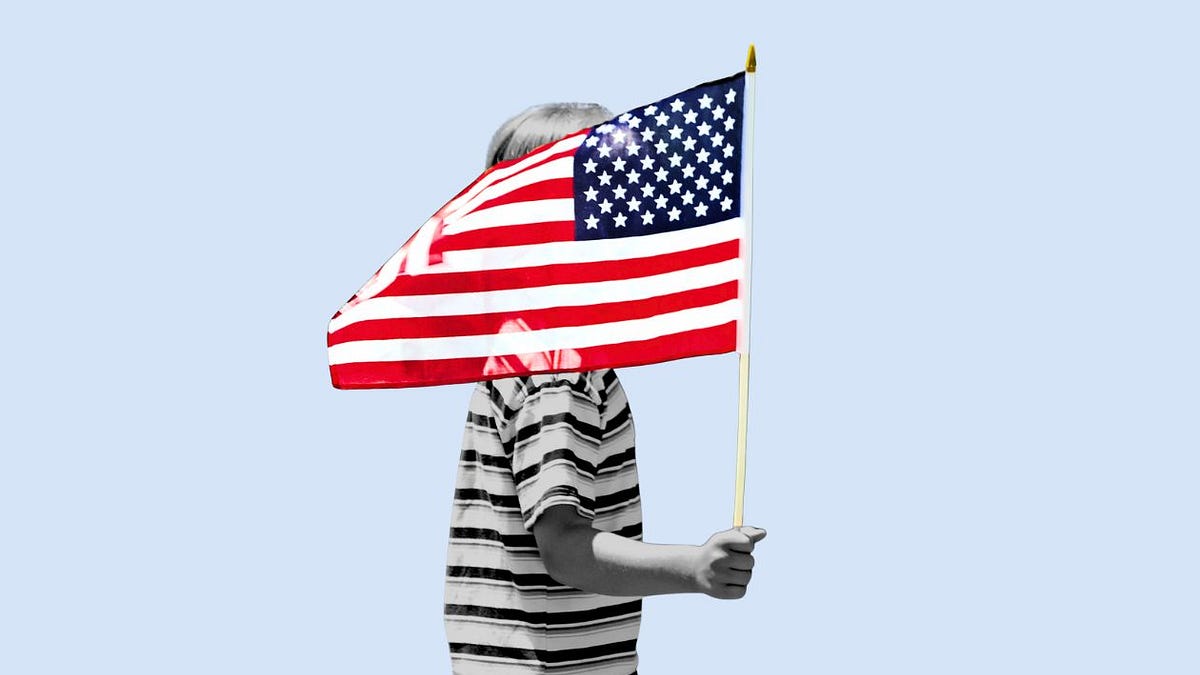
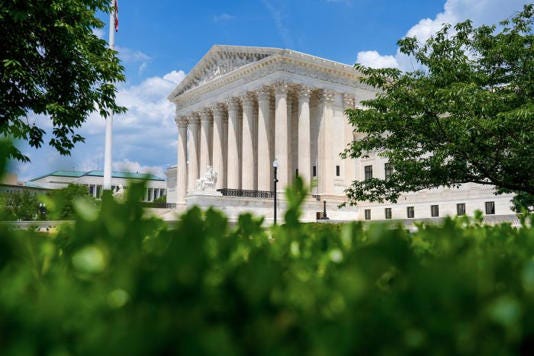
The Supreme Court has affirmed birthright citizenship, rejecting arguments that would have limited the 14th Amendment's guarantee to children born in the United States. The decision dismissed narrow interpretations of the amendment's "jurisdiction" clause and claims based on the domicile of parents.
The ruling directly challenges anti-immigrant assertions about who qualifies as a citizen by birth. Legal experts noted the decision reinforces longstanding precedent that anyone born on U.S. soil is a citizen, regardless of their parents' immigration status.
Separately, a study by the Cato Institute found that immigrants generated a $14.5 trillion fiscal surplus. The analysis counters claims that immigrants are a net drain on public finances, showing their tax contributions and economic activity far exceed the costs of services they use.
Together, the Supreme Court decision and the Cato study undercut two common anti-immigrant narratives: that birthright citizenship is not constitutionally required and that immigrants impose a net cost on the economy. Advocates for immigrants' rights welcomed both developments as evidence of immigrants' integral role in American society.
The rulings and research come amid ongoing national debate over immigration policy. The Supreme Court's decision is expected to have broad implications for future legal challenges to citizenship rules, while the fiscal data adds to the evidence base for policy discussions.
Highlighted words show why each story was matched
'%2F%3E%3Cstop%20offset%3D'1'%20stop-color%3D'hsl(190%2C%2055%25%2C%2038%25)'%2F%3E%3C%2FlinearGradient%3E%3C%2Fdefs%3E%3Crect%20width%3D'800'%20height%3D'600'%20fill%3D'url(%23g)'%2F%3E%3Ctext%20x%3D'400'%20y%3D'300'%20text-anchor%3D'middle'%20font-family%3D'Georgia%2Cserif'%20font-size%3D'44'%20font-weight%3D'700'%20fill%3D'rgba(255%2C255%2C255%2C0.92)'%3ENRI%20Herald%3C%2Ftext%3E%3Ctext%20x%3D'400'%20y%3D'340'%20text-anchor%3D'middle'%20font-family%3D'Arial%2Csans-serif'%20font-size%3D'18'%20letter-spacing%3D'4'%20fill%3D'rgba(255%2C255%2C255%2C0.66)'%3EVISA%20%26amp%3B%20IMMIGRATION%3C%2Ftext%3E%3C%2Fsvg%3E)
NRI Herald • July 3, 2026
'%2F%3E%3Cstop%20offset%3D'1'%20stop-color%3D'hsl(229%2C%2055%25%2C%2038%25)'%2F%3E%3C%2FlinearGradient%3E%3C%2Fdefs%3E%3Crect%20width%3D'800'%20height%3D'600'%20fill%3D'url(%23g)'%2F%3E%3Ctext%20x%3D'400'%20y%3D'300'%20text-anchor%3D'middle'%20font-family%3D'Georgia%2Cserif'%20font-size%3D'44'%20font-weight%3D'700'%20fill%3D'rgba(255%2C255%2C255%2C0.92)'%3ENRI%20Herald%3C%2Ftext%3E%3Ctext%20x%3D'400'%20y%3D'340'%20text-anchor%3D'middle'%20font-family%3D'Arial%2Csans-serif'%20font-size%3D'18'%20letter-spacing%3D'4'%20fill%3D'rgba(255%2C255%2C255%2C0.66)'%3EVISA%20%26amp%3B%20IMMIGRATION%3C%2Ftext%3E%3C%2Fsvg%3E)
NRI Herald • July 2, 2026
NRI Herald • July 3, 2026
NRI Herald • July 2, 2026