US Senate Backs 100% Tariffs on Russian Oil Buyers, India in Crosshairs
Politics desk
NRI Herald • August 8, 2026
3 min read
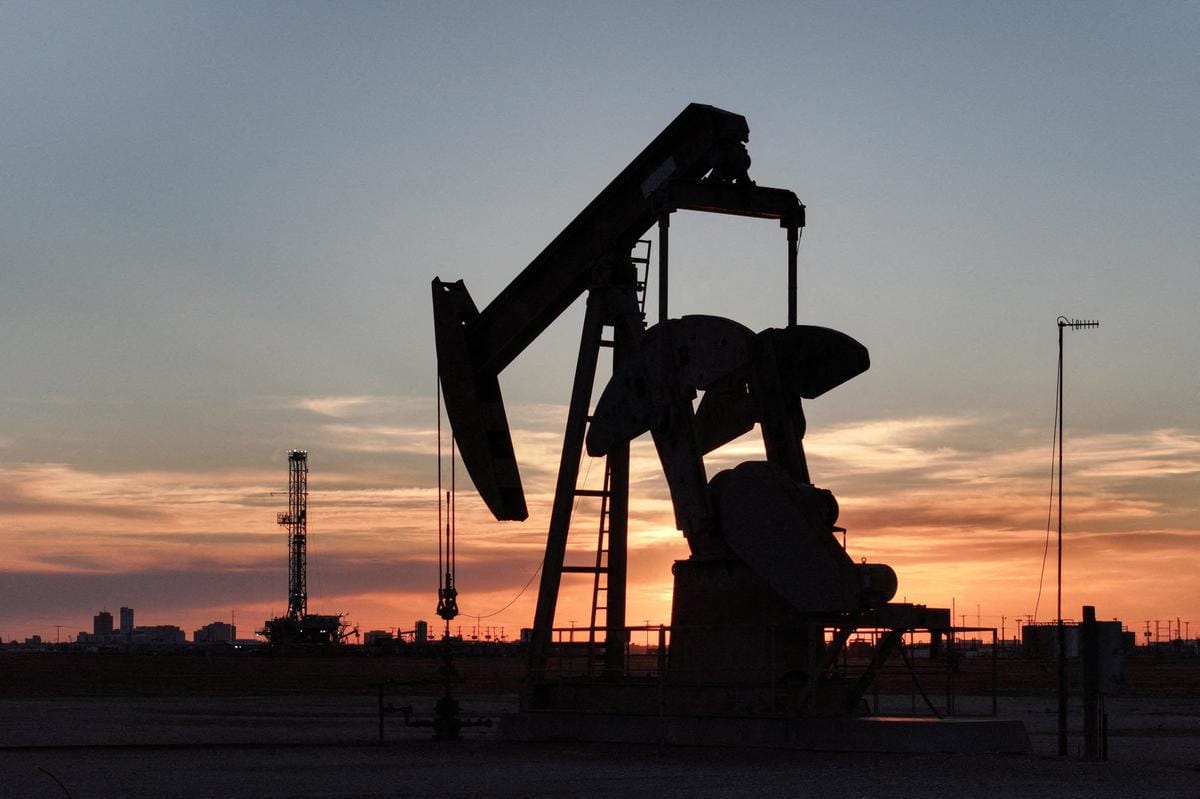
The Senate voted 86-11 on Friday to pass the Lindsey O. Graham Sanctioning Russia and Iran Act of 2026, which sets a maximum tariff rate of 100% on the five largest importers of Russian energy. The bill names China, India, Slovakia, Hungary, and Azerbaijan as potential targets, but does not apply to European allies that also buy Russian energy.
The legislation does not automatically impose the tariff. Instead, the U.S. Trade Representative would determine the actual rate, and the president can waive the measures by certifying the decision to Congress, with a review every 180 days. Sponsors argued the tariffs should be high enough to deter major buyers, but the structure gives the administration flexibility in enforcement.
India has previously objected to such tariffs, saying it is unfair to single out New Delhi when other countries continue to purchase Russian energy. Indian officials maintain that Russian purchases are necessary for the country's energy security.
The bill now moves to the House, where Republicans hold a majority. President Trump has indicated support, and his administration helped shape the Senate version. Sen. Richard Blumenthal, a Connecticut Democrat who worked with Sen. Lindsey Graham on the bill, said the vote sends a message to Moscow and support for Ukraine.
The Senate action comes as Washington and New Delhi negotiate a trade deal. The tariff measure could give the Trump administration leverage in those talks, alongside a Section 301 forced-labor tariff imposed last month and an ongoing investigation into excess capacity. The USTR's authority to set the final rate and the president's waiver power leave room for both sides to manage the issue.
Highlighted words show why each story was matched
'%2F%3E%3Cstop%20offset%3D'1'%20stop-color%3D'hsl(153%2C%2055%25%2C%2038%25)'%2F%3E%3C%2FlinearGradient%3E%3C%2Fdefs%3E%3Crect%20width%3D'800'%20height%3D'600'%20fill%3D'url(%23g)'%2F%3E%3Ctext%20x%3D'400'%20y%3D'300'%20text-anchor%3D'middle'%20font-family%3D'Georgia%2Cserif'%20font-size%3D'44'%20font-weight%3D'700'%20fill%3D'rgba(255%2C255%2C255%2C0.92)'%3ENRI%20Herald%3C%2Ftext%3E%3Ctext%20x%3D'400'%20y%3D'340'%20text-anchor%3D'middle'%20font-family%3D'Arial%2Csans-serif'%20font-size%3D'18'%20letter-spacing%3D'4'%20fill%3D'rgba(255%2C255%2C255%2C0.66)'%3EPOLITICS%3C%2Ftext%3E%3C%2Fsvg%3E)
NRI Herald • August 8, 2026
NRI Herald • August 3, 2026

NRI Herald • July 23, 2026

NRI Herald • August 3, 2026