Utah Lawmaker Backs State Visa Program for Workers
Visa & Immigration desk
NRI Herald • August 4, 2026
3 min read
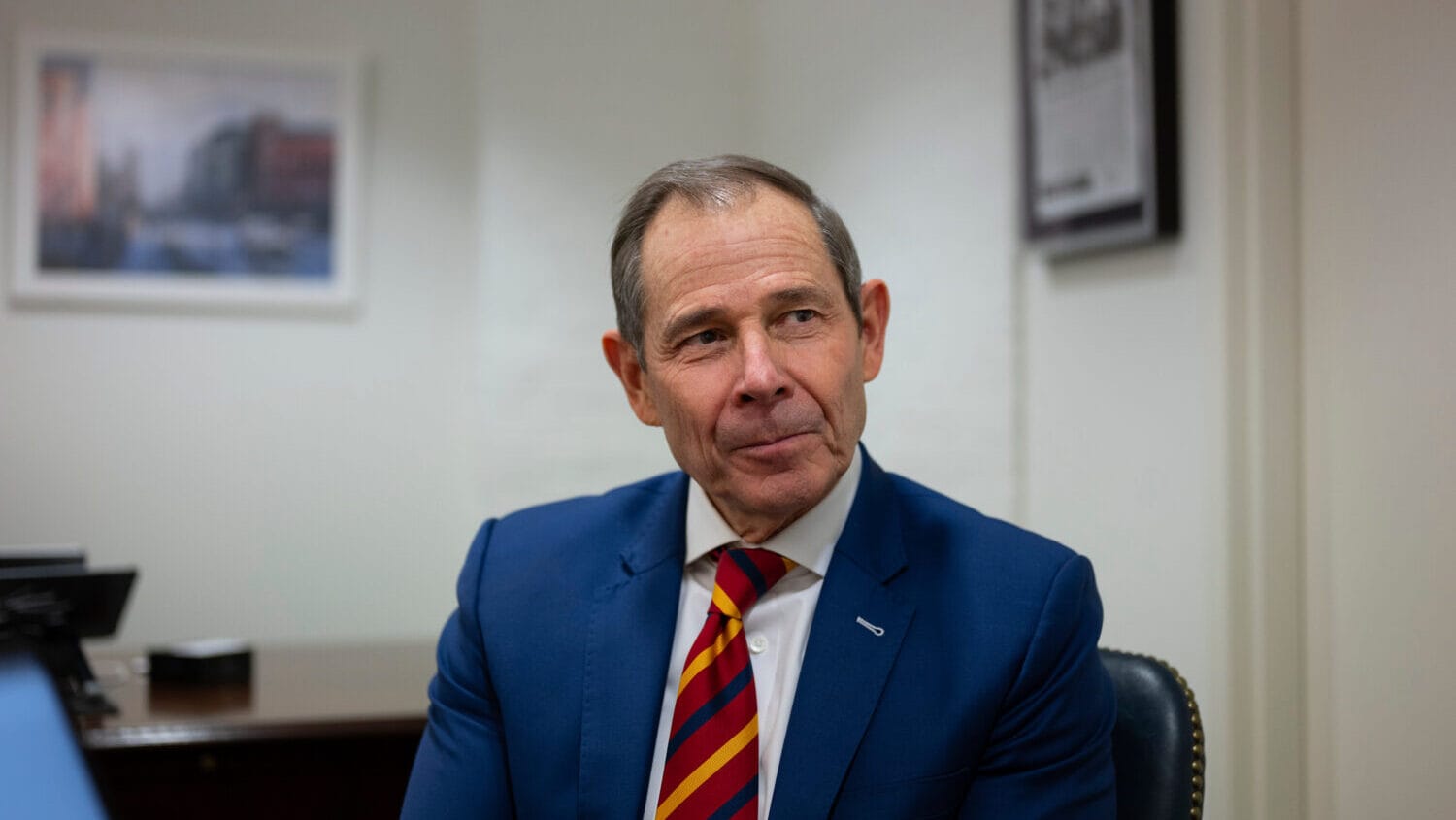
The proposal, introduced alongside Arizona Democratic Sen. Mark Kelly, mirrors a 2011 Utah measure that was part of the Compact on Immigration but never won federal approval. Under the new legislation, states could petition Washington on behalf of applicants, but visa holders would still face federal background checks and admissibility requirements.
The federal government would retain final authority over vetting, visa issuance, and immigration enforcement. Visa holders would generally need to live and work in the sponsoring state, though interstate compacts could allow movement between participating states. Workers could also switch employers within a state under rules set by that state.
Curtis said he has heard repeatedly from Utah business owners, farmers, and ranchers about the difficulty of hiring enough workers to meet market demand. The bill includes a pilot program for tailored visas with rigorous federal vetting, plus a process to investigate complaints that U.S. workers are being displaced.
Utah currently has 96 available workers for every 100 open jobs, according to a December 2025 U.S. Chamber of Commerce report. That is an improvement from August 2025, when the state had 72 workers for every 100 jobs.
Kelly said states understand their own economic needs best, but federal rules now decide who can live and work in the country. The bill would let Arizona and other states choose the visas they need to fill labor gaps and strengthen local economies.
Highlighted words show why each story was matched
NRI Herald • August 4, 2026

NRI Herald • August 5, 2026
NRI Herald • August 4, 2026

NRI Herald • August 5, 2026